
HERSHE News
Upper vs Lower Eyelid Surgery: Which One Do You Need?

As we age, one of the first areas where changes become noticeable is around the eyes.
Many people feel that their eyes look heavier, more tired, or less defined than before.
Common concerns include: Drooping upper eyelids, Puffy or hollow under-eye areas, A more aged appearance
Because of this, patients often consider upper eyelid surgery (blepharoplasty) or lower eyelid surgery.
During consultation, the most common questions are: “What’s the difference between upper and lower eyelid surgery?”
“Which one do I need?” “Do I need both?”
Based on common consultation guidance at HERSHE Plastic Surgery, here is a clear explanation.

What’s the Difference?
In simple terms:
Upper eyelid surgery → improves sagging of the upper eyelid
Lower eyelid surgery → improves under-eye sagging and fat-related concerns
The appropriate procedure depends on where the sagging or concern is located.
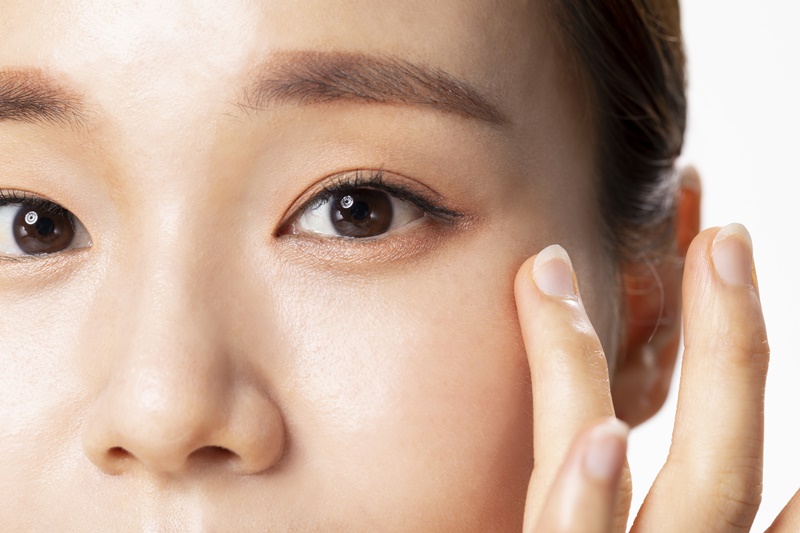
What Is Upper Eyelid Surgery?
Upper eyelid surgery focuses on improving drooping upper eyelid skin.
As we age, the eyelid skin may stretch, and the strength to open the eyes may weaken.
This can make the eyes look heavy, cover the double eyelid line, and create a tired appearance.
In more advanced cases, it may even affect the visual field.
When Is Upper Eyelid Surgery Considered?
When the upper eyelid droops
→ The eyelid covers part of the pupil
When the double eyelid line becomes hidden
→ Existing folds are covered by excess skin
When the eyes look tired or heavy
→ Weak opening strength creates a sleepy appearance
When you use your forehead to open your eyes
→ Compensating for drooping eyelids
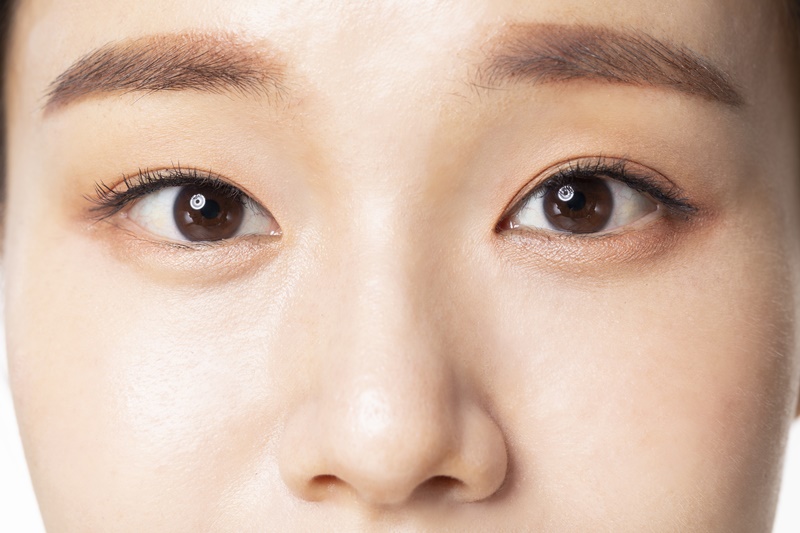
What Is Lower Eyelid Surgery?
Lower eyelid surgery focuses on improving under-eye sagging and fat-related concerns.
The under-eye area has thin skin and is highly affected by aging, leading to:
Fat protrusion
Hollowing
Wrinkles
Dark circle-like shadows
When Is Lower Eyelid Surgery Considered?
When the under-eye area looks puffy
→ Protruding fat creates a tired appearance
When there is significant sagging
→ Loss of elasticity causes wrinkles and looseness
When it looks like dark circles
→ Often due to shadowing, not pigmentation
When you feel you look older than your age
→ Under-eye changes strongly affect overall impression

Can You Need Both?
Yes, in many cases.
As aging progresses, changes in both the upper eyelid and under-eye area often occur together.
In such cases:
Upper eyelid surgery may improve drooping above the eyes
Lower eyelid surgery may refine the under-eye contour
However, it is important not to automatically combine both procedures,
but to base the decision on a detailed evaluation of your individual eye condition.
What’s Important in Choosing the Right Procedure?
Eyelid surgery is not simply about removing skin.
Especially in mature patients, it is important to consider:
Degree of skin laxity
Fat distribution
Eye-opening strength
Eye shape and proportions
Overall facial balance
A personalized approach helps achieve more natural and satisfying results.

Expected Changes
While results vary by individual:
Upper eyelid surgery
→ More defined eyes, less heavy appearance, improved eye-opening
Lower eyelid surgery
→ Smoother under-eye contour, reduced tired look, brighter appearance
Recovery Process
After surgery, temporary symptoms such as:
Swelling
Bruising
Tightness
may occur and gradually improve over time.
During early recovery, it may help to:
Apply cold compresses
Get sufficient rest
Limit alcohol and smoking
Avoid eye irritation

Upper and lower eyelid surgeries serve different purposes.
Upper eyelid surgery → improves drooping upper eyelids
Lower eyelid surgery → improves under-eye sagging and fat concerns
The key is not to decide based on age alone, but to accurately assess your current eye condition and underlying causes.
Since the eye area plays a major role in overall facial impression, choosing a natural and balanced approach tailored to your individual features is essential.


 힙업리프팅으로 애플힙 뒤태 만들수있나요? 힙업성형 Q&A
 어깨필러 상담부터 시술과정까지, 직각어깨 REAL 현장
 쌍수하고 술 언제부터 마셔도 되나요?


 다음글
다음글
 이전글
이전글