
HERSHE News
If Your Eyes Are Sagging, Do You Need Upper Blepharoplasty or Lower Blepharoplasty?

As we reach middle age, it is common for the upper eyelids to become droopy or for under-eye bags to become more prominent,
making us appear older than our actual age.
When this happens, two procedures are commonly mentioned: upper blepharoplasty and lower blepharoplasty.
During consultations, many patients ask questions such as: "My eyes are sagging—do I need upper blepharoplasty?"
"My under-eye area is sagging too. Would lower blepharoplasty be the right choice?"
Today, we'll explain the differences between upper and lower blepharoplasty,
who may benefit from each procedure, and whether both procedures can be performed together.

Why Does the Eye Area Age?
The eye area is often one of the first parts of the face to show signs of aging because the skin is thin and constantly moving.
The most common causes include:
1. Loss of Skin Elasticity
: As collagen and elastin decrease with age, the upper eyelids may gradually begin to sag.
2. Changes in Orbital Fat
: The fat supporting the eyes may protrude forward or descend, causing puffiness beneath the eyes.
3. Weakening of Muscles and Ligaments
: As the supporting tissues around the eyes weaken, skin laxity may become more noticeable.
4. Aging and Lifestyle Factors
: Sun exposure, smoking, and insufficient sleep may also contribute to aging around the eyes.

What Is Upper Blepharoplasty?
Upper blepharoplasty is a procedure designed to improve sagging upper eyelids.
Its goal is to remove excess skin appropriately while considering eyelid function and the natural eye shape to achieve a balanced and natural-looking result.
It may be considered for people who:
Have upper eyelids that cover part of the pupils
Frequently raise their eyebrows to open their eyes
Have multiple folds in the upper eyelids
Feel their eyes appear heavy or sleepy
Experience a reduced upper visual field due to drooping eyelids
What Is Lower Blepharoplasty?
Lower blepharoplasty is a procedure that improves the under-eye area by addressing protruding fat and loose skin.
Rather than simply removing fat, the procedure may involve repositioning under-eye fat while improving the skin and supporting tissues
to create a smoother and more natural under-eye contour.
It may be considered for people who:
Have prominent under-eye bags
Feel their dark circles appear more noticeable
Have increased wrinkles beneath the eyes
Feel they look tired or older
Have significant under-eye skin laxity

What Is the Biggest Difference Between Upper and Lower Blepharoplasty?
Although both procedures address age-related changes around the eyes, they target different areas and serve different purposes.
Upper blepharoplasty focuses on correcting sagging upper eyelids by removing excess skin appropriately,
helping patients open their eyes more comfortably and achieve a brighter appearance.
It may be considered for individuals whose drooping upper eyelids create a sleepy appearance or interfere with their field of vision.
On the other hand, lower blepharoplasty focuses on improving the under-eye area.
When under-eye fat protrudes or the skin becomes lax, making the face appear tired or older, the procedure addresses the fat, skin,
and supporting tissues to create a smoother and more youthful under-eye contour.
In other words:
If your primary concern is sagging upper eyelids, upper blepharoplasty may be considered.
If your concern is under-eye bags and sagging, lower blepharoplasty may be more appropriate.
However, both conditions often occur together, making an accurate diagnosis essential for selecting the most appropriate treatment plan.

If Your Eyes Look Sagging, Does That Always Mean You Need Upper Blepharoplasty?
Not necessarily.
The phrase "my eyes are sagging" can describe several different conditions.
For example:
If the upper eyelids have drooped → Upper blepharoplasty may be considered.
If the under-eye area has become lax, creating a tired appearance → Lower blepharoplasty may be helpful.
If both concerns are present → Upper and lower blepharoplasty may sometimes be planned together.
This is why an accurate diagnosis is so important.
Can Upper and Lower Blepharoplasty Be Performed Together?
Yes.
Depending on each individual's condition, both procedures may be performed during the same operation.
This may be considered particularly when:
Both the upper eyelids and under-eye area show signs of aging
The patient wishes to achieve a more refreshed overall appearance
The patient prefers a single recovery period
However, combined surgery is not appropriate for everyone, and treatment planning should always be based on a thorough evaluation by the surgeon.

Postoperative Care After Upper or Lower Blepharoplasty
Proper postoperative care is an important part of the recovery process.
1. Apply Cold Compresses
: Cold compresses during the early recovery period may help reduce swelling.
2. Avoid Rubbing Your Eyes
: Avoid touching or rubbing the surgical area to minimize irritation.
3. Avoid Alcohol and Smoking
: Refraining from alcohol and smoking for a period after surgery may support healing.
4. Get Adequate Rest
: Sufficient sleep and rest may contribute to the recovery process.
5. Attend Scheduled Follow-Up Visits
: Suture removal and postoperative examinations should be completed according to your surgeon's instructions.
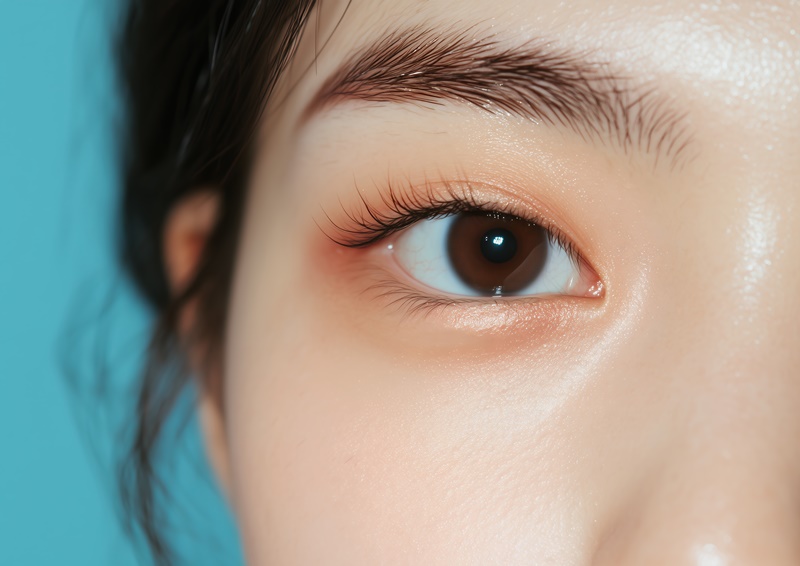
Aging around the eyes can appear differently in the upper eyelids and the under-eye area.
If drooping upper eyelids make your eyes look heavy or obstruct your vision, upper blepharoplasty may be considered.
If under-eye bags and skin laxity are your primary concerns, lower blepharoplasty may be an appropriate option.
When both conditions are present, a combined approach may be considered.
Most importantly, treatment should be based on an accurate assessment of your individual eye condition while considering overall facial harmony.


 힙업리프팅으로 애플힙 뒤태 만들수있나요? 힙업성형 Q&A
 어깨필러 상담부터 시술과정까지, 직각어깨 REAL 현장
 쌍수하고 술 언제부터 마셔도 되나요?


PREFER TO CONTACT US DIRECTLY?
Choose one of the channels below to begin a direct conversation with our English consultation team.


 다음글
다음글
 이전글
이전글