
HERSHE News
When Can You Exercise After a Hip Lift Procedure?

One of the most common questions patients ask during a consultation for a Hip Lift is:
"When can I start exercising again?"
For those who regularly enjoy activities such as weight training, Pilates, running, or golf, it's natural to wonder how long they will need to take a break from exercise.
Starting exercise too soon may affect the recovery process, while avoiding physical activity for an unnecessarily long period may also not be ideal.
Today, we'll explain when exercise can generally be resumed after a hip lift, precautions for different types of exercise, and tips to support a smooth recovery.

Why Is the Timing of Exercise Important After a Hip Lift?
Following a hip lift procedure, the treated area needs time to stabilize.
Immediately after the procedure, the skin and soft tissues enter the healing process. Excessive movement or strong pressure during this period may affect recovery.
Because the buttocks are continuously used during everyday activities such as sitting and walking, deciding when to resume exercise should be done carefully.
When Can You Start Exercising?
The appropriate time to resume exercise varies depending on the treatment method, individual healing progress, and overall health condition.
For this reason, the exact timeline should always be determined based on follow-up examinations and your surgeon's recommendations.
In general, the following guidelines may be helpful.
1. Light Daily Activities
: Light walking may help promote circulation and support recovery. Depending on your recovery,
it may be started within the limits recommended by your medical team.
2. Light Cardiovascular Exercise
: Low-impact activities such as brisk walking or gentle stationary cycling are generally best introduced gradually
after your recovery has been evaluated.
3. Lower Body Strength Training
: Exercises that directly engage the gluteal muscles—such as squats, lunges, hip thrusts,
and deadlifts—should only be resumed after the treated area has stabilized sufficiently and after consulting your surgeon.
4. High-Intensity Exercise
: Running, CrossFit, jumping exercises, and other high-impact activities should also be postponed until adequate tissue healing has been confirmed.

What Should You Be Careful About If You Resume Exercise Too Early?
Exercising before the treated tissues have healed adequately may increase the risk of:
Increased swelling
Prolonged discomfort
Delayed recovery
Interference with tissue stabilization
Rather than restarting exercise simply because you "feel better," it is important to increase activity gradually according to your surgeon's recommendations.
Precautions for Different Types of Exercise
1. Squats
: Squats place significant stress on both the gluteal muscles and thighs.
They should generally be avoided during the early stages of recovery.
2. Lunges
: Lunges require balance while placing considerable load on the lower body.
They are best resumed only after sufficient healing has occurred.
3. Pilates
: Certain Pilates movements may place continuous pressure on the buttocks.
Consult your surgeon before returning to Pilates.
4. Yoga
: Intensive stretching positions should generally be avoided early in recovery and introduced gradually as healing progresses.
5. Swimming
: To minimize the risk of infection, swimming may need to be postponed until the treated area has completely healed.

Recovery Tips After a Hip Lift
1. Get Adequate Rest
: Proper rest during the early recovery period supports the healing process.
2. Avoid Prolonged Pressure
: Avoid sitting on hard surfaces for extended periods or maintaining positions that place continuous pressure on the buttocks.
3. Stay Well Hydrated
: Adequate hydration may help support overall recovery and maintain healthy skin.
4. Eat a Balanced Diet
: Consuming sufficient protein, vitamins, and other essential nutrients may help support tissue healing.
5. Attend Scheduled Follow-Up Visits
: Regular follow-up appointments are important to monitor healing and recovery.
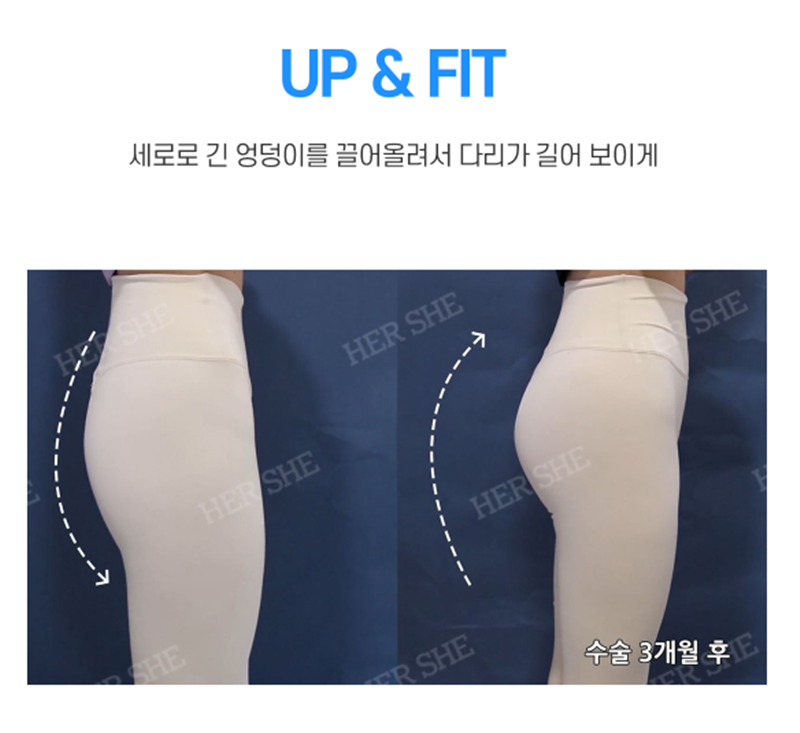
What's More Important Than Exercising After a Hip Lift?
Many people focus primarily on returning to exercise as quickly as possible.
However, what matters even more is gradually increasing exercise intensity according to your recovery progress.
Allowing sufficient healing before resuming exercise with proper form may help maintain satisfying long-term results.
Who Should Be Especially Careful?
Extra caution should be taken when deciding when to return to exercise if you:
1. Regularly perform high-intensity weight training
2. Frequently run or participate in marathons
3. Spend long hours sitting at work
4. Participate in sports involving significant lower-body rotation, such as golf or tennis
5. Feel tempted to push yourself too hard in hopes of recovering more quickly
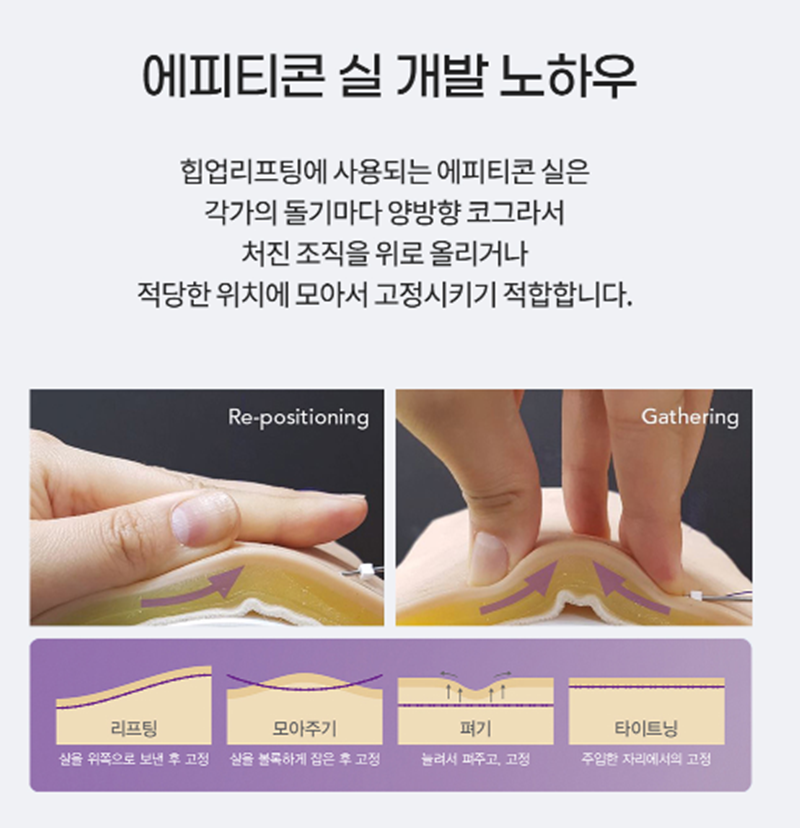
After a hip lift, starting exercise safely at the appropriate time is more important than returning to exercise as early as possible.
The timing for resuming physical activity varies depending on the type and intensity of exercise, as well as each individual's recovery process.
For the safest recovery, exercise should be resumed gradually while following your surgeon's recommendations.


 힙업리프팅으로 애플힙 뒤태 만들수있나요? 힙업성형 Q&A
 어깨필러 상담부터 시술과정까지, 직각어깨 REAL 현장
 쌍수하고 술 언제부터 마셔도 되나요?


PREFER TO CONTACT US DIRECTLY?
Choose one of the channels below to begin a direct conversation with our English consultation team.


 다음글
다음글
 이전글
이전글