
HERSHE News
Does Hip Dip Filler Work? Effects, Duration, and Side Effects Explained

Some people are concerned that the area between the pelvis and thighs appears indented from the side or back,
or that their hip line does not flow smoothly when wearing pants.
This indentation extending from below the pelvis to the outer contour of the buttocks is commonly called a hip dip.
Hip dips are not limited to a particular body type. They are a natural physical feature that can appear due to several factors,
including pelvic bone structure, fat distribution, and muscle development.
However, because the prominence of hip dips and the desired body contour vary from person to person, some people explore ways to improve their appearance.
Today, we will focus on common questions from people considering hip dip filler and explain how it works and what changes may be expected,
as well as its duration, treatment volume, recovery period, side effects, and precautions.
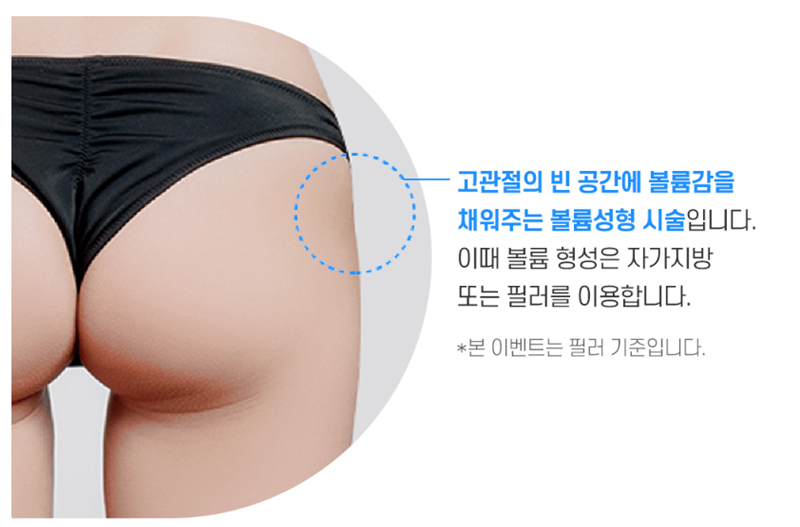
What Causes Hip Dips?
Hip dips can result from a combination of the skeletal structure around the pelvis and femur, the distribution of muscle and fat, and the shape of the skin and soft tissue.
Pelvic width and shape vary between individuals, as do the curve from the waist to the pelvis and the volume of the buttocks.
Therefore, hip dips may differ in prominence even among people of the same weight.
Furthermore, although exercise can develop the gluteal muscles, it does not change the underlying bone structure, so exercise alone may not always create the desired curve.
It is important to understand that having hip dips does not necessarily mean that treatment is required.
They may be accepted as a natural feature of the body.
If you wish to improve the indentation along the side contour,you may compare options such as exercise and medical treatments.
What Is Hip Dip Filler, and How Does It Improve the Contour?
Hip dip filler is a treatment that uses hyaluronic acid (HA) filler to add volume to the indented area between the pelvis and thighs.
Its purpose differs from simply increasing the overall size of the buttocks.
Hip dip filler is planned to improve localized indentations and create a smoother transition from the waist through the pelvis, buttocks, and thighs.
At HERSHE Plastic Surgery, we consider it important to design the body contour while taking the individual's skeletal structure, body type, pelvis, and hip line into account.
Even when the concern is the same, the appropriate approach may vary according to the location, depth, and extent of the indentation, differences between the two sides, and existing buttock volume.
Therefore, before deciding whether to proceed, the overall body shape and proportions should be assessed rather than viewing the hip dip area in isolation.

Does Hip Dip Filler Work?
People considering hip dip filler are often most curious about what changes they can realistically expect.
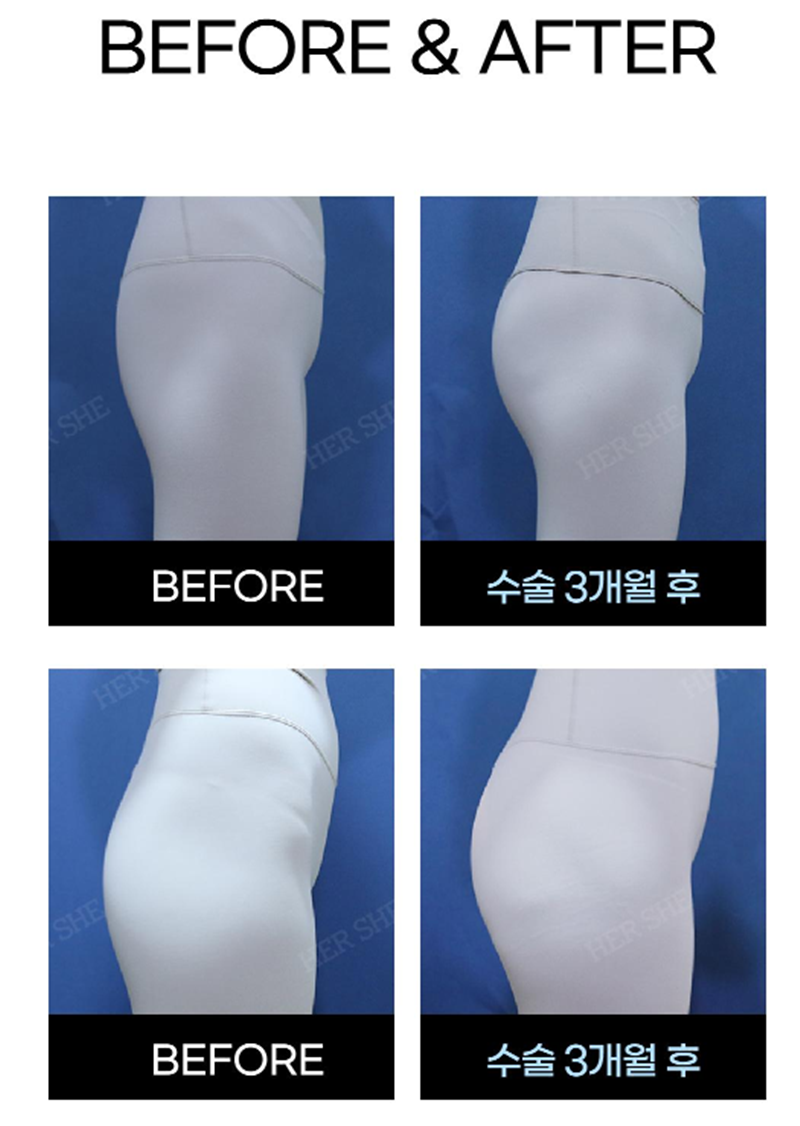
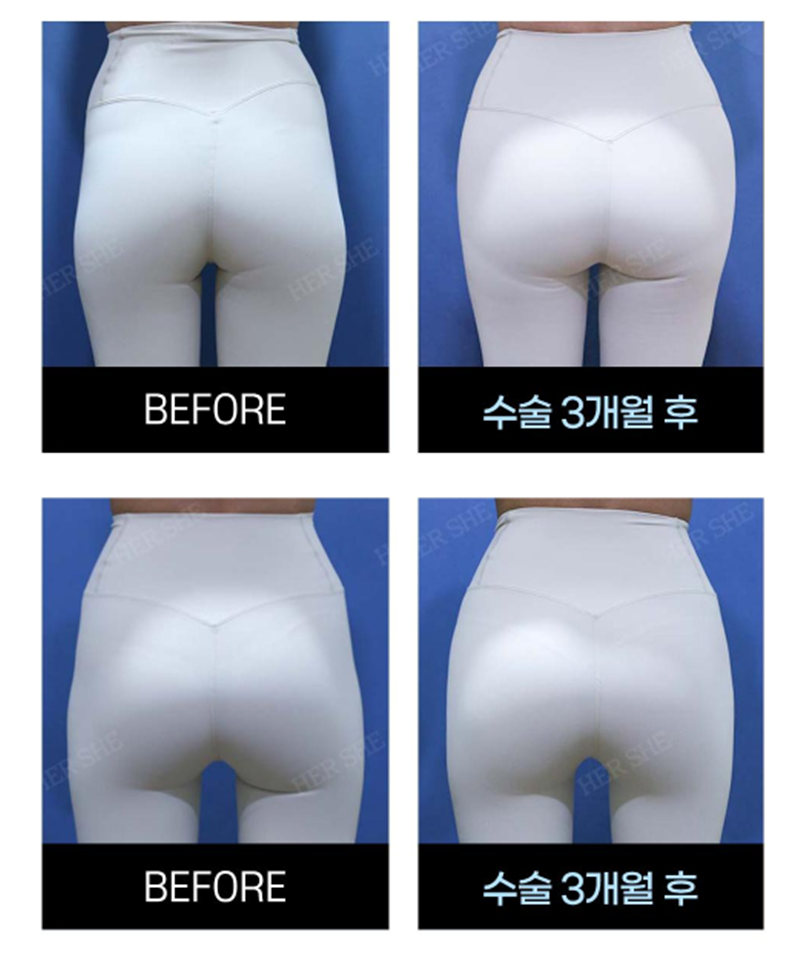
Because hip dip filler adds volume to indented areas, the following changes may be expected depending on the individual's condition and treatment plan.
1. Improving the Curve Between the Pelvis and Buttocks
: Adding volume where the hip dip is prominent may alter the side silhouette from the pelvis to the buttocks.
2. Creating a Smoother Side Contour
: The curve connecting the waist, pelvis, buttocks, and thighs is influenced by the volume and proportions of each area.
Hip dip filler can be designed with this overall continuity in mind.
3. Designing with Left–Right Differences in Mind
: The pelvis and hip line are not always naturally symmetrical.
After assessing the depth and shape of each indentation, different volumes may be planned for each side.
However, the degree of change may vary depending on skeletal structure, soft-tissue condition, the depth and extent of the hip dips, and the treatment plan.
Hip dip filler does not change the pelvic bone structure or create the same curve for every body type.
It is therefore important to discuss the desired change and what can realistically be achieved with treatment.
How Are Hip Dip Filler, Pelvic Filler, and Buttock Filler Different?
Although their names are similar and can be confusing, these treatments differ mainly in the areas and goals they address.
Hip dip filler: Improves the indentation between the pelvis and thighs while considering the continuity of the side hip contour.
Pelvic filler: Considers volume around the pelvis and overall body proportions.
Buttock filler: Is planned to add dimension to areas where the buttocks lack volume or appear flat.
It is not always necessary to combine several treatments.
The treatment plan may vary depending on whether the main concern is a localized indentation, overall pelvic volume, or overall buttock volume.
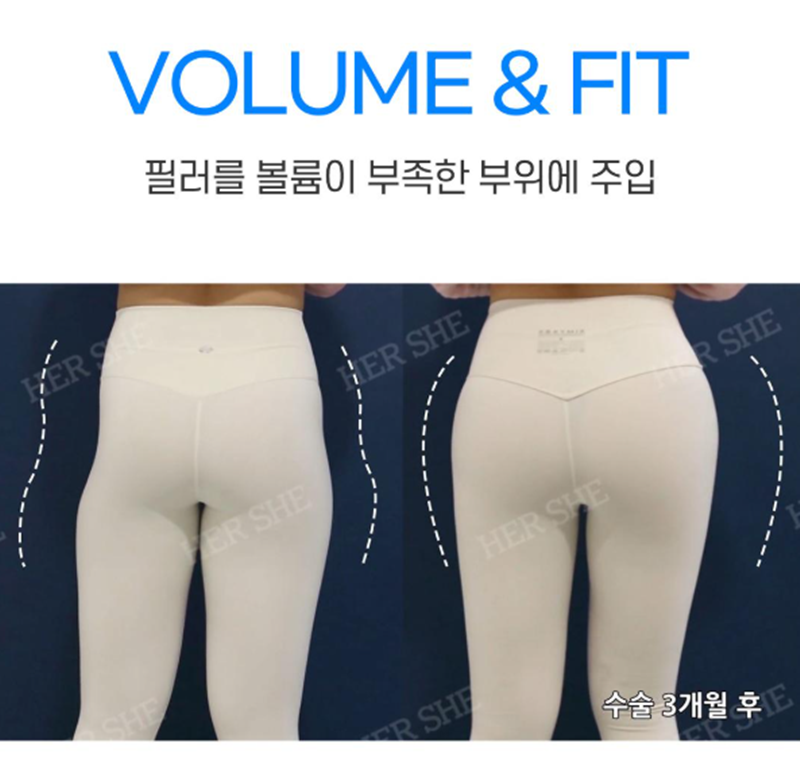
How Long Does Hip Dip Filler Last?
When considering hip dip filler, duration is an important factor in addition to the expected effects.
At HERSHE Plastic Surgery, the expected duration of hip dip filler is generally explained as approximately 1–2 years.
However, this is a general estimate and does not apply equally to everyone.
Actual duration may vary depending on factors such as the properties of the product used, the injected volume and treatment area, and individual physical characteristics.
As the filler is gradually absorbed over time, the same volume seen immediately after treatment may not be maintained continuously.
Rather than assuming that the same shape will remain for a fixed period, it is advisable to plan treatment with an understanding that individual results may vary.

How Many cc of Hip Dip Filler Are Needed?
People researching hip dip filler often wonder how much product may be required.
However, the same volume cannot be applied to everyone.
The required volume is determined by considering the following factors together.
1. The depth and extent of the hip dips
2. The skeletal structure and existing volume of the pelvis and buttocks
3. The shape of each hip dip and differences between the two sides
4. Overall proportions from the waist to the thighs
5. The desired contour and changes that can realistically be expected
A wide or deep indentation does not automatically mean that injecting a large volume is appropriate.
The injectable area and range, tissue condition, and safety must all be considered together,
and the required volume and suitability for treatment should be determined through a medical examination and consultation.
What About Treatment Time, Pain, and Recovery After Hip Dip Filler?
When planning treatment, it is also important to consider scheduling and its effect on daily life.
Treatment time: Approximately 1 hour
Pain level: Generally described as mild discomfort
Anesthesia: Sedation
Recovery period: Approximately 5–7 days after treatment
Duration: Approximately 1–2 years (individual results may vary)
The information above is general, and actual treatment time, discomfort, and recovery may vary according to the individual's condition and treatment plan.
Swelling, bruising, and tenderness may occur after treatment, and recovery time also varies between individuals.
It is also advisable to avoid strong pressure on the treated area immediately afterward.
The timing for resuming exercise, prolonged sitting, and other daily activities may vary depending on the treatment area and recovery, so follow the medical team's instructions.
What Are the Possible Side Effects of Hip Dip Filler?
Hip dip filler is a medical treatment intended to improve the appearance of the body contour. Although it may seem relatively straightforward,
it is essential to understand that filler treatment can cause side effects.
Commonly possible symptoms include the following.
1. Swelling and Bruising
Temporary swelling or bruising may occur during the injection process. Severity and duration may vary between individuals.
2. Pain and Tenderness
Pain or discomfort when pressure is applied may occur in the treated area.
3. Temporary Asymmetry or Unevenness
Temporary asymmetry or surface irregularity may be observed due to swelling or tissue condition. Medical evaluation is needed if it persists or worsens.
4. Inflammation and Infection
Inflammation or infection may occur after filler treatment. If warmth, increasing pain,
redness, swelling, or other unusual symptoms develop, contact a medical institution.
5. Rare but Serious Vascular Complications
Although rare, serious side effects such as vascular complications can occur with filler treatment.
It is therefore important to receive care from a medical professional who thoroughly understands the anatomy of the treatment area and to receive an explanation of safety considerations.
If sudden severe pain, changes in skin color, significant swelling, warmth, or other unusual symptoms occur after treatment, do not wait or make your own assessment; contact the treating medical institution immediately for evaluation.
Before deciding, it is advisable to receive and understand a thorough explanation of the types of side effects, their likelihood, and how they are managed.
What Should You Check Before Hip Dip Filler Treatment?
Before deciding on hip dip filler, consider your body type and treatment goals rather than focusing only on adding volume to an indented area.
1. Identify the area that concerns you most.
Options may differ depending on whether your concern is a localized indentation, insufficient volume across the pelvis, or buttock volume or sagging.
2. Assess your skeletal structure and left–right differences.
Because the pelvis and hip line vary between individuals, the location and depth of the hip dips,
differences between the two sides, and overall proportions should all be assessed.
3. Understand the expected changes and limitations of treatment.
Filler adds soft-tissue volume to indented areas; it does not change the underlying skeletal structure.
The expected changes and limitations should be clearly understood.
4. Review information about side effects and aftercare.
It is advisable to confirm in advance the possibility of side effects, recovery period,
when exercise and daily activities can be resumed, and what to do if unusual symptoms occur.

Hip Dip Filler FAQ
 다음글
 게시물이 없습니다.


 힙업리프팅으로 애플힙 뒤태 만들수있나요? 힙업성형 Q&A
 어깨필러 상담부터 시술과정까지, 직각어깨 REAL 현장
 쌍수하고 술 언제부터 마셔도 되나요?


PREFER TO CONTACT US DIRECTLY?
Choose one of the channels below to begin a direct conversation with our English consultation team.


 이전글
